
Your AI environment. With control you can explain.
Design the right boundary for your models, data and operations: on-premise, dedicated cloud or a carefully governed hybrid architecture. Sovereignty starts with specific controls.
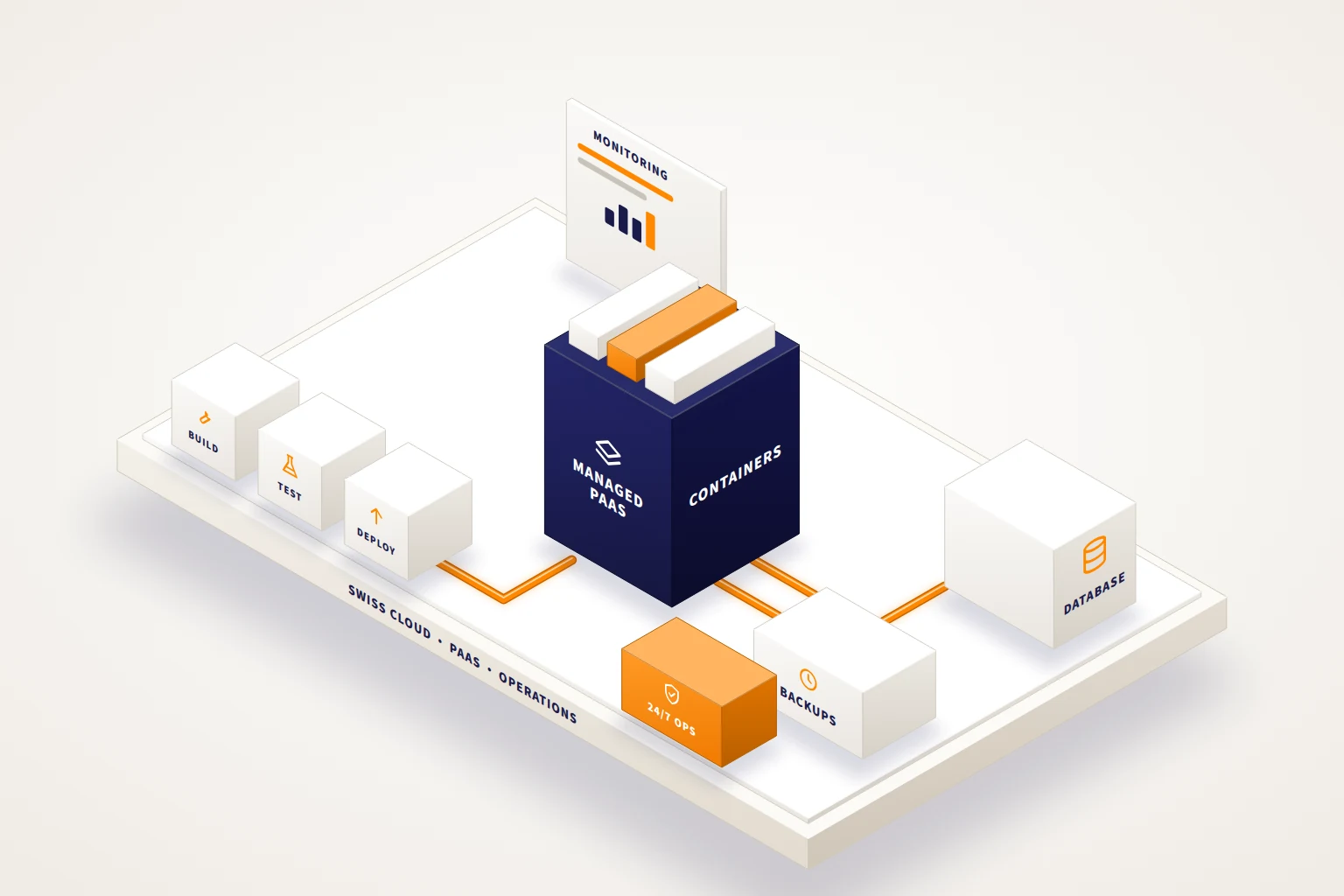
Make sovereignty a set of decisions you can verify.
A location or a model label is only part of the answer. We document who can access the system, what leaves it, how it is operated and how it can be changed or moved.
Data
Where are source data, prompts, outputs, logs and backups held?
Access
Who controls keys, administration, updates and connected tools?
Independence
What dependencies remain, and how could the system be transferred?
Capabilities shaped around your use.

Deployment options
Assess CPU/GPU capacity, network isolation, storage and inference requirements for on-premise, private cloud or hybrid deployment.
Models & licences
Evaluate quality, hardware footprint, language coverage, commercial terms and model licences. Open weights do not automatically mean unrestricted use.
Data & administration
Define residency, administrator access, encryption keys, outbound traffic, telemetry and backup locations. Record subprocessors and operational responsibilities.
Lifecycle & portability
Version model artefacts, prompts and datasets. Validate upgrades in a separate environment and maintain a tested rollback and exit plan.
Connected knowledge is a policy choice.
An offline deployment may deliberately use only approved local sources. A connected deployment may use governed external retrieval through approved connectors, redacted queries and egress controls. These are different boundaries to assess and document; a sovereign runtime does not imply unrestricted Internet access or automatically forbid it.
Deliverables you can use.
Sovereignty matrix
Controls and responsibilities for data, models, infrastructure, operations and contracts.
Capacity & total cost
Hardware and operating estimates with explicit workload and concurrency assumptions.
Deployment & handover
A verified configuration, controlled update procedure and operating documentation for the agreed scope.
A clear route from assumptions to evidence.
Define control
Map residency, access, keys, dependencies and legal review needs.
Select
Compare model licences, hosting options and workload economics.
Verify
Check the actual configuration, traffic paths and operating procedures.
Maintain
Qualify upgrades, monitor dependencies and test rollback or exit.
Sovereign & Private AI, answered
Does Swiss hosting alone make AI sovereign?
No. Location is one dimension. Access, legal exposure, key ownership, telemetry, dependencies and portability also need to be assessed.
Can the system run offline?
Where the selected model and use case allow it, we can design an offline runtime. Updates, model acquisition and connected tools require their own controlled procedures.
Can a private AI system use Internet sources?
When policy permits it, approved external sources can be accessed through controlled retrieval. Source selection, query redaction and outbound traffic need explicit controls.
Are open-weight models always suitable?
No. Quality, licensing, hardware needs, security behaviour and lifecycle support must be evaluated for the intended use.

Start with your use case.
Bring the workflow, the constraints and the decision you need to make. Together we can define a useful next step and the evidence it should produce.